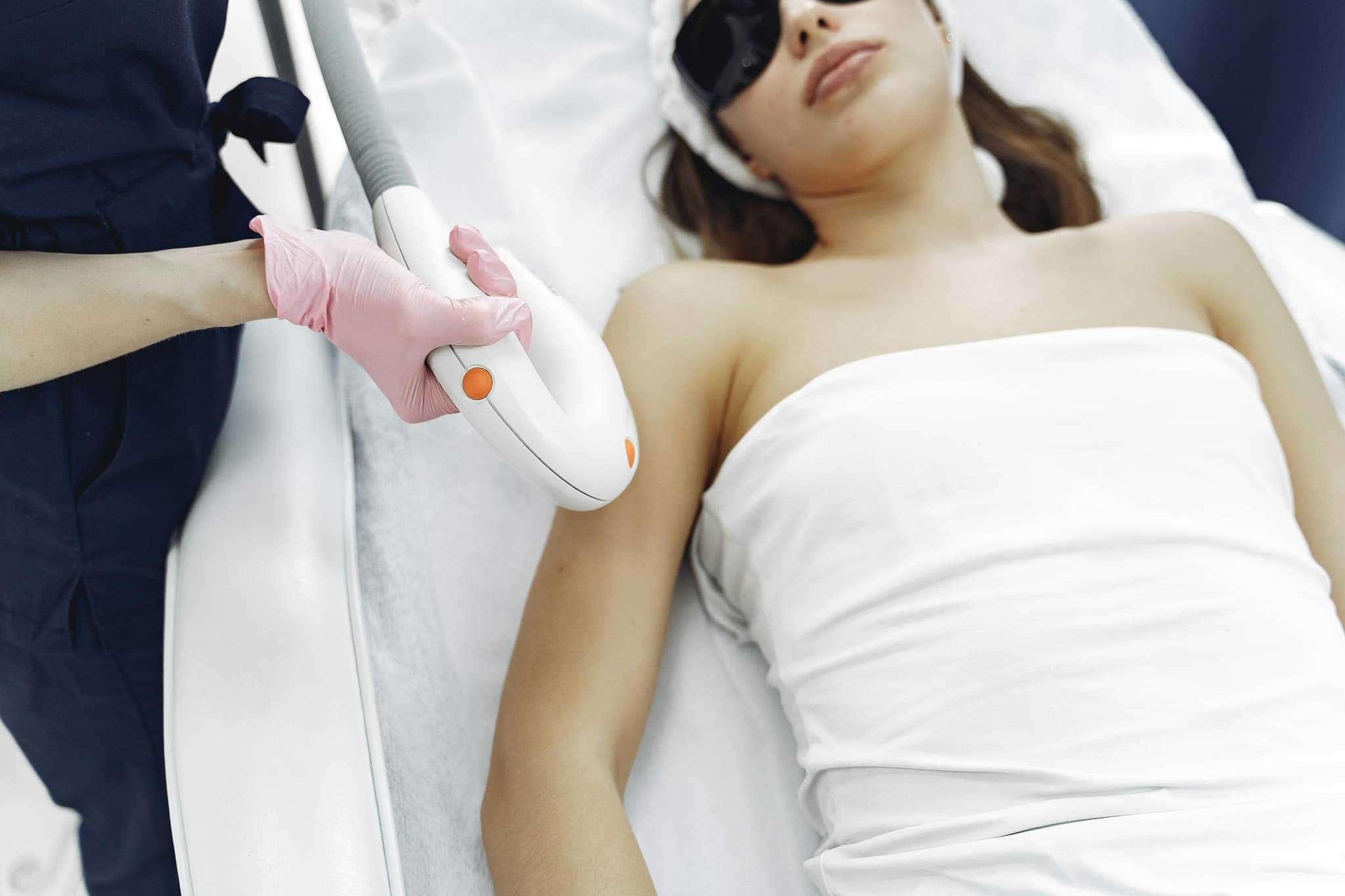
Tattoo removal has become one of the fastest-growing segments of the aesthetic laser industry in Canada. As tattoo culture has gone mainstream over the past two decades, so has the demand for effective removal and modification solutions. The technology at the heart of modern tattoo removal is the Nd:YAG laser, a powerful and versatile platform that has revolutionized what is possible in removing unwanted ink. For aesthetic professionals, Nd:YAG laser certification opens the door to a specialized, in-demand career niche with excellent earning potential.
This guide covers how Nd:YAG laser tattoo removal works, what clients can expect from the treatment process, and the career opportunities available for certified technicians in British Columbia and across Canada.
Understanding Nd:YAG Laser Technology
Nd:YAG stands for neodymium-doped yttrium aluminum garnet, a crystal that serves as the lasing medium in this type of laser system. The Nd:YAG laser produces light at a fundamental wavelength of 1064 nanometres, which is in the near-infrared spectrum. This wavelength penetrates deeply into the skin and is absorbed by dark pigments, making it ideal for targeting tattoo ink that sits in the dermis layer.
By using a technique called Q-switching or, in newer systems, picosecond pulse technology, the Nd:YAG laser delivers extremely short, high-energy pulses that shatter tattoo ink particles into tiny fragments. These microscopic fragments are then recognized by the body's immune system and gradually cleared through natural metabolic processes, primarily via the lymphatic system.
The 1064 nm wavelength is particularly effective against black and dark blue inks, which are the most common tattoo colours. For treating other colours, the Nd:YAG laser can be frequency-doubled to produce a 532 nm wavelength (KTP), which targets red, orange, and warm-toned pigments. Together, these two wavelengths allow practitioners to address the vast majority of tattoo inks encountered in clinical practice.
Why Nd:YAG Is the Gold Standard for Tattoo Removal
Several characteristics make Nd:YAG laser the preferred technology for tattoo removal across Canada and worldwide. Its deep penetration capability allows it to reach tattoo ink that sits in the mid to deep dermis, where most professional tattoos deposit their pigment. The 1064 nm wavelength has a relatively low absorption rate in melanin compared to shorter wavelengths, which means it can be used safely on darker skin tones with a reduced risk of hypopigmentation or scarring. This safety profile is particularly important in British Columbia's diverse communities, where practitioners work with clients across all Fitzpatrick skin types.
The precision of Q-switched and picosecond Nd:YAG systems allows technicians to deliver exactly the right amount of energy to break apart ink particles without causing excessive thermal damage to surrounding tissue. Modern systems also incorporate cooling mechanisms and adjustable spot sizes to optimize both safety and efficacy for different tattoo characteristics.
The Tattoo Removal Treatment Process
Understanding the treatment process is essential for both prospective clients and technicians.
### Initial Consultation
Every tattoo removal journey begins with a thorough consultation. The technician assesses the tattoo's size, location, ink colours, depth, and age, all of which influence the treatment plan. The client's skin type is evaluated using the Fitzpatrick scale to determine safe energy parameters. A complete medical history is taken to identify any contraindications, such as active skin infections, certain medications, or a history of keloid scarring.
During the consultation, the technician sets realistic expectations about the number of sessions required, the timeline, and the likely outcome. Complete removal is possible for many tattoos, but some inks, particularly lighter colours and certain modern pigments, may leave faint residual shadowing even after a full treatment series.
### Treatment Sessions
During a treatment session, the technician applies the Nd:YAG laser to the tattooed area in a systematic pattern, delivering pulses of light energy that shatter the ink particles beneath the skin surface. Most clients describe the sensation as similar to the snapping of a rubber band against the skin, combined with a warm or hot feeling. Topical anaesthetic cream or cooling devices are used to manage discomfort.
Each session typically lasts 15 to 45 minutes depending on the size of the tattoo. Smaller tattoos like a small wrist design may take only a few minutes of active laser time, while large pieces covering a significant portion of the back or arm require longer sessions.
### Recovery Between Sessions
After each treatment, the area may show redness, swelling, and sometimes blistering or pinpoint bleeding. These responses are normal and indicate that the laser has effectively disrupted the ink particles. The skin typically heals within one to two weeks, during which the client follows aftercare instructions including keeping the area clean, applying prescribed ointments, and avoiding sun exposure.
Sessions are spaced six to eight weeks apart to allow the body time to clear the fragmented ink particles and for the skin to fully heal before the next treatment. Most tattoos require six to twelve sessions for significant fading or complete removal, with professional tattoos generally requiring more sessions than amateur tattoos due to denser, more uniformly deposited ink.
### Factors Affecting Results
Several variables influence the speed and completeness of tattoo removal. Black and dark blue inks respond most readily to Nd:YAG treatment. Older tattoos tend to fade faster than newer ones because the body has already partially broken down some of the ink over time. Tattoos located on areas with strong blood flow and lymphatic drainage, such as the torso and upper arms, clear faster than those on the extremities. The client's immune system health and overall circulation also play a role in how efficiently the body eliminates the fragmented ink particles.
Career Opportunities in Tattoo Removal
The career outlook for Nd:YAG laser tattoo removal technicians in BC and across Canada is exceptionally strong. Several market trends are driving sustained demand for this specialization.
The sheer number of tattooed Canadians creates a large potential client base. Industry estimates suggest that roughly one in five tattooed individuals will eventually seek some form of tattoo modification or removal. As the first generation of widespread tattoo adoption ages, the demand for removal services continues to climb.
Tattoo modification, where a client partially fades an existing tattoo to prepare for a cover-up design, has become an increasingly popular service. This approach requires fewer sessions than complete removal and appeals to clients who want to reimagine their ink rather than eliminate it entirely. Technicians who work collaboratively with tattoo artists on cover-up preparation projects build valuable referral relationships.
Corporate and professional motivations drive a significant portion of tattoo removal clients. Individuals entering industries with strict appearance standards, such as healthcare, law enforcement, or corporate management, seek removal of visible tattoos. Military applicants with tattoos that fall outside current regulations also represent a consistent source of demand.
### Earning Potential
Tattoo removal services command premium pricing in BC. Individual sessions typically range from $150 to $500 depending on the size and complexity of the tattoo. A technician performing multiple removal sessions per day can generate substantial revenue. Dedicated tattoo removal technicians in the Lower Mainland can earn $50,000 to $80,000 annually in employed positions, with significantly higher potential for those running their own practice or working on commission at high-volume clinics.
### Getting Certified
The [Laser ND-YAG Technician course](/courses/laser-nd-yag-technician) at BC Medical Clinic provides comprehensive training in Nd:YAG laser operation, skin assessment, treatment planning, safety protocols, and clinical technique. The program combines theoretical instruction with hands-on practice on professional equipment, ensuring graduates are prepared to perform [laser tattoo removal](/services/laser-tattoo-removal) treatments safely and effectively from their first day in practice.
For technicians who want to build the broadest possible career foundation, combining Nd:YAG certification with training in other laser modalities creates a well-rounded skill set that appeals to a wide range of employers across Vancouver, Coquitlam, Surrey, and throughout British Columbia. The aesthetic laser industry in Canada continues to grow, and Nd:YAG-trained technicians are well-positioned to build long, rewarding careers in this expanding field.